11:10
Timeline
Four days: Higashiyama and Gion on arrival, the festival and the temple path on the second, the west on the third, Fushimi Inari before the train.
Day 1 · Fri
Nishiki Market, Kiyomizu-dera, Yasaka Shrine and Gion
Kyotoarrive 11:00👟 ≈ 11,500 stepsShinkansen in at 11:00, bags to the hotel. Lunch at Nishiki Market, Kiyomizu-dera through the old lanes, and Gion's streets at dusk.
🗺 The whole day in Google Maps →11:40
stay
Leave the bags at the hotel📍 in Google Maps
The reception keeps the bags until the room is ready.
12:00
food
Lunch along Nishiki Market📍 in Google Maps
A covered street of about 130 food stalls and shops, Kyoto's market for four centuries.
¥2,000–3,000 eachno eating while walking
Graze from stall to stall: grilled skewers, tamagoyaki omelette, pickles, soy-milk doughnuts. Eat at the stall where you bought, not on the move; the market asks it and signs say so. Many stalls take cash only.
13:45
sightphoto ↑
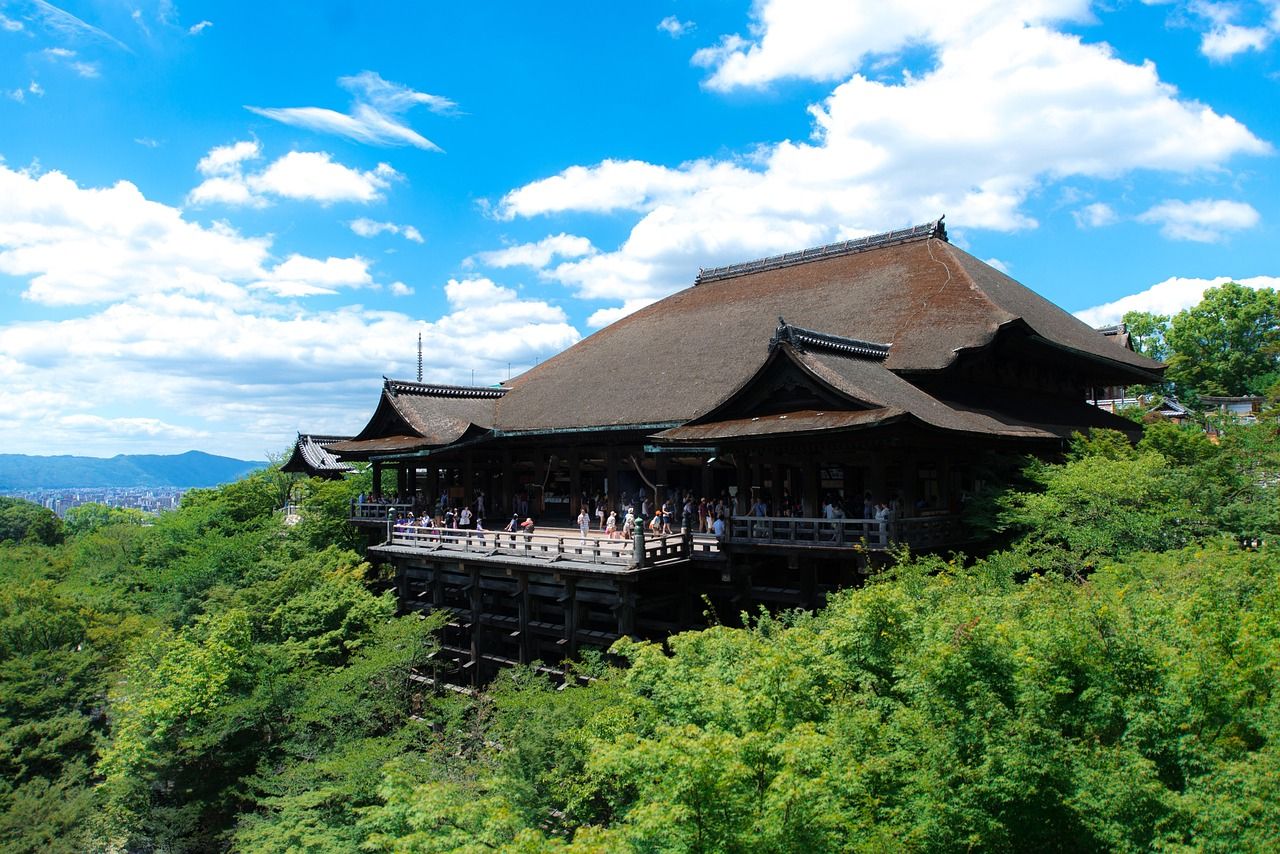
Kiyomizu-dera📍 in Google Maps🎟 book kiyomizudera.or.jp
The 8th-century temple on the hillside whose main hall stands on a wooden stage built without a single nail, over a drop of 13 metres.
¥500 eachday's highlightuphill
Bus 207 to Kiyomizu-michi and 10 minutes up Gojozaka, or a 25-minute walk. The stage looks across the treetops to the city; the best view of the stage itself is from the path below the three-storey pagoda.
Below the hall, the Otowa waterfall's three streams are said to give long life, success in study and luck in love; drink from one only. Allow an hour and a half.
15:30
walkphoto ↑
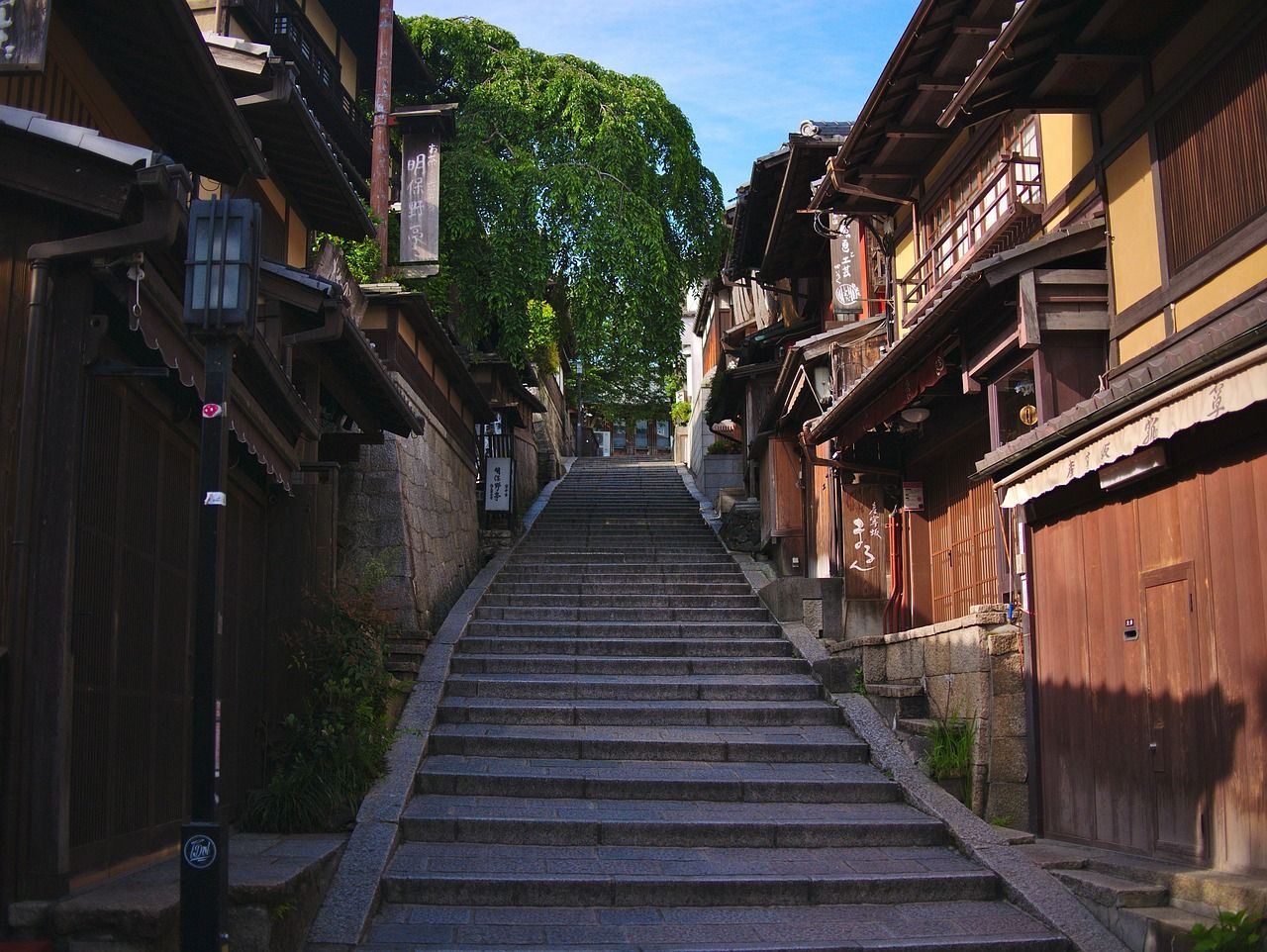
Down Sannenzaka and Ninenzaka📍 in Google Maps
The two stone-stepped lanes below Kiyomizu-dera, lined with wooden shops and tea houses kept as they were in the Edo period.
freesteps
Downhill all the way to Yasaka Shrine, 25 minutes. Sannenzaka's steps are uneven; legend says a fall here brings three years of bad luck. A matcha and wagashi sweet at one of the tea houses is the first tea of the trip.
16:30
sightphoto ↑
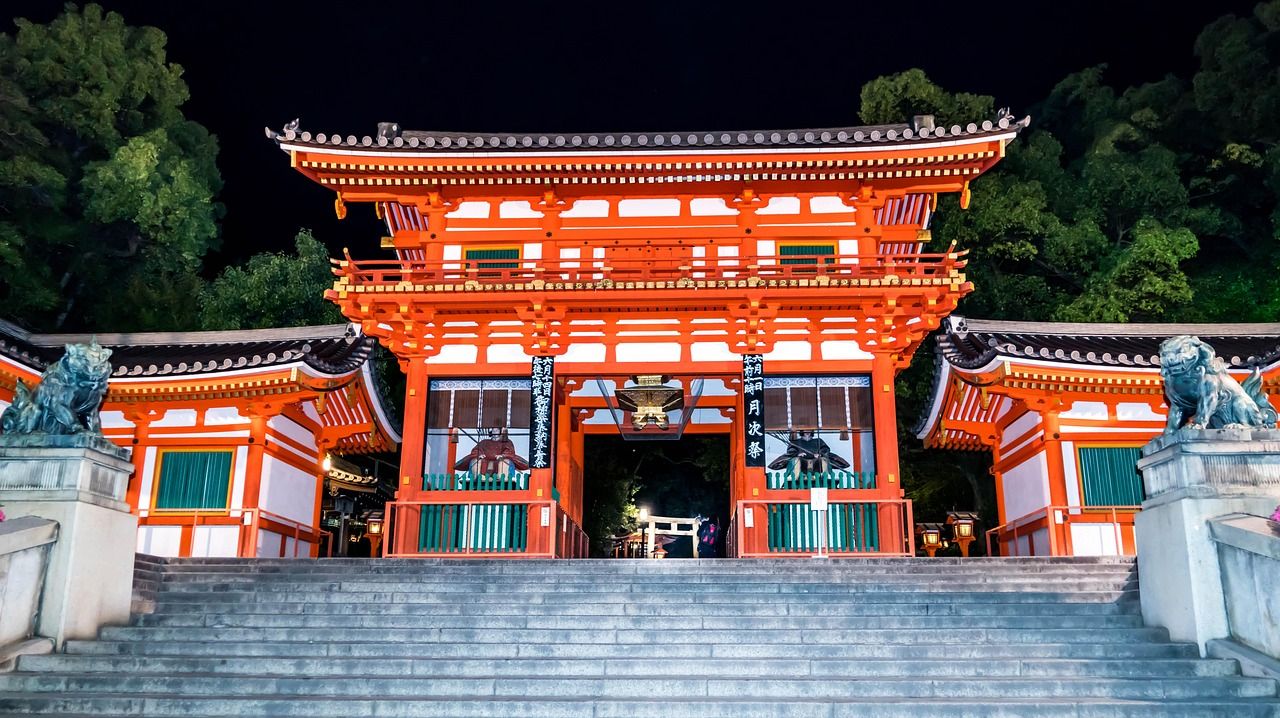
Yasaka Shrine and Maruyama Park📍 in Google Maps
The Shinto shrine at the top of Gion's main street, home of the Gion Matsuri, with a dance stage hung with lanterns.
freeopen all night
The vermilion gate faces down Shijo-dori. Walk through to the lantern-hung stage and into Maruyama Park behind it.
17:00
18:30
walkphoto ↑
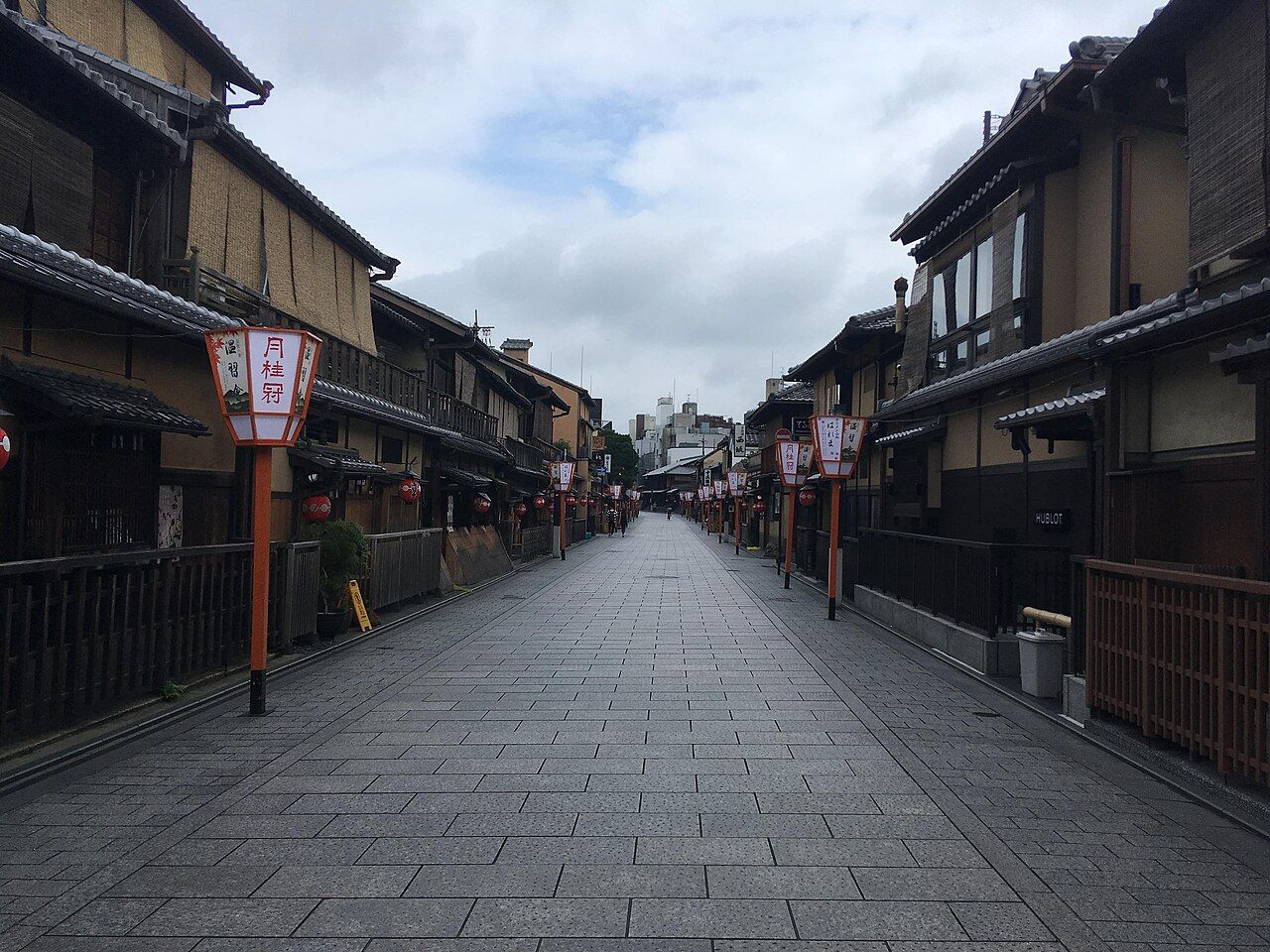
Gion: Hanamikoji and Shirakawa📍 in Google Maps
The geisha district's main lane of wooden teahouses, and the willow-lined canal at Shirakawa.
freeno photos in private lanes
Walk Hanamikoji south from Shijo-dori, then back north to the Shirakawa canal. The side lanes are private, with fines for photos; never photograph a geiko or maiko up close.
19:15
food
Dinner in Pontocho📍 in Google Maps
¥5,000–8,000 eachbook ahead
Pontocho is one lane of restaurants a shoulder wide, five minutes from the hotel. Yakitori counters and kaiseki rooms alike; in May the places on the west side open their wooden river terraces. Book a table a few days ahead.
If you fall behind
- Take a taxi up to Kiyomizu-dera, about ¥1,200, and walk only the downhill lanes.
- Skip Maruyama Park and go straight from the shrine to the hotel.
Day 2 · Sat
The Aoi Matsuri, Ginkaku-ji, the Philosopher's Path and Nanzen-ji
Kyotoout 09:15👟 ≈ 14,500 stepsThe Aoi Matsuri procession leaves the Imperial Palace at 10:30. Afternoon from the Silver Pavilion down the Philosopher's Path to Nanzen-ji.
🗺 The whole day in Google Maps →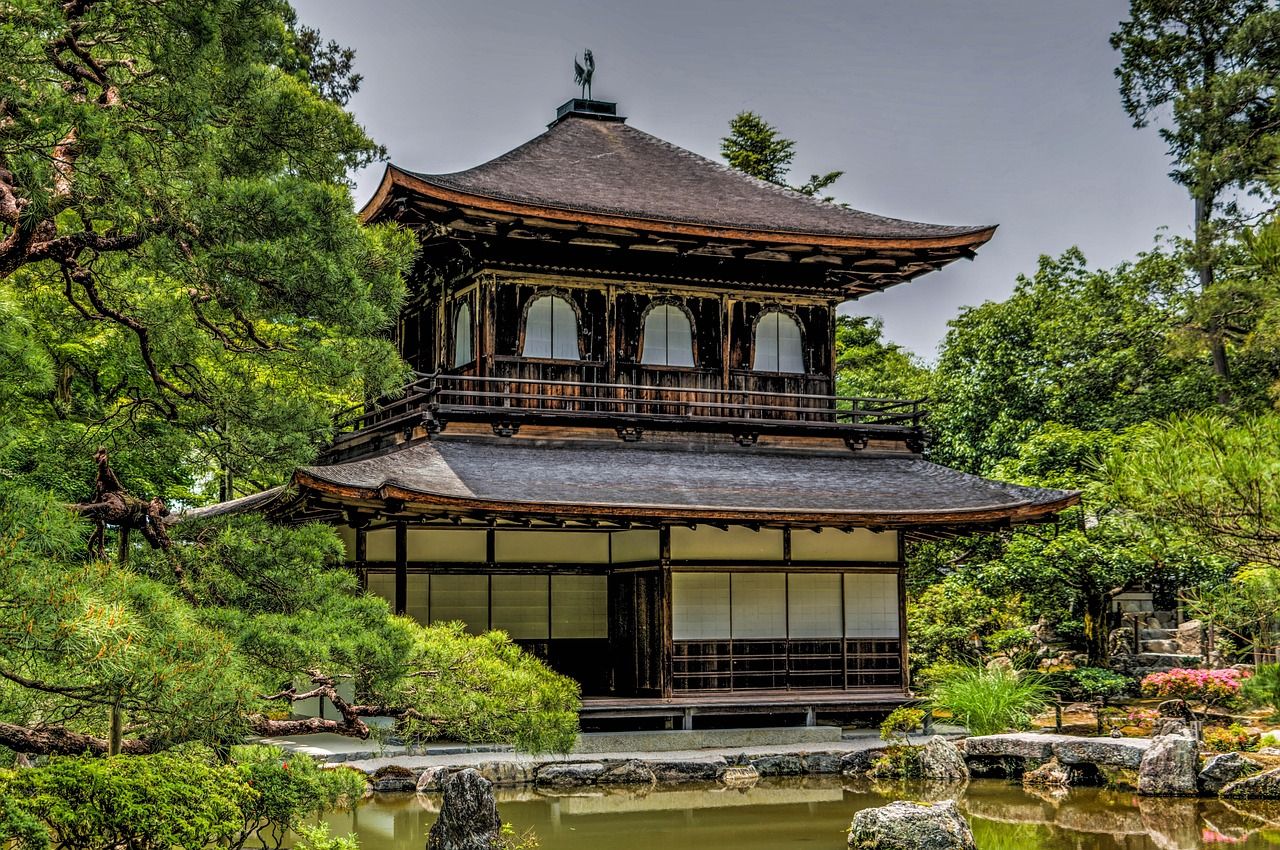
09:15
getting there
Subway to Marutamachi📍 from 🏁 Marutamachi
IC card20 min
Ten minutes' walk to Shijo station, then the Karasuma line two stops north. Tap the IC card at the gate.
09:45
event
The Aoi Matsuri at the Imperial Palace📍 in Google Maps🎟 book kyokanko.or.jp
The 6th-century festival of the Kamo shrines: 500 people in Heian court dress, ox-drawn carts and horses, walking from the Imperial Palace to Shimogamo and Kamigamo.
free; paid seats about ¥3,000day's highlightcrowds
Ten minutes from the station into the Kyoto Gyoen park. The procession leaves the palace's Kenreimon gate at 10:30 and takes about an hour to pass. Paid seats inside the park, sold by the Kyoto City Tourism Association, give a chair and a printed guide in English.
Without a seat, stand along the gravel avenue south of the gate by 9:45. In rain the procession moves to the next day.
12:00
food
Lunch by Demachiyanagi📍 in Google Maps
¥1,500–2,500 each
Fifteen minutes north-east, where the two rivers meet. Noodle shops and small set-lunch places line the streets west of the bridge. Demachi Futaba's mame-mochi, rice cakes with beans, sell from a queue that moves fast.
13:30
sightphoto ↑
Ginkaku-ji, the Silver Pavilion📍 in Google Maps
The 15th-century shogun's retreat, never covered in silver despite its name, with a raked-sand garden and a moss hillside.
¥500 each
Bus 17 or 102 to Ginkakuji-michi, 15 minutes. The path runs past the sand cone and the pavilion, then up the hillside for the view over its roof. Allow 45 minutes.
14:30
walkphoto ↑
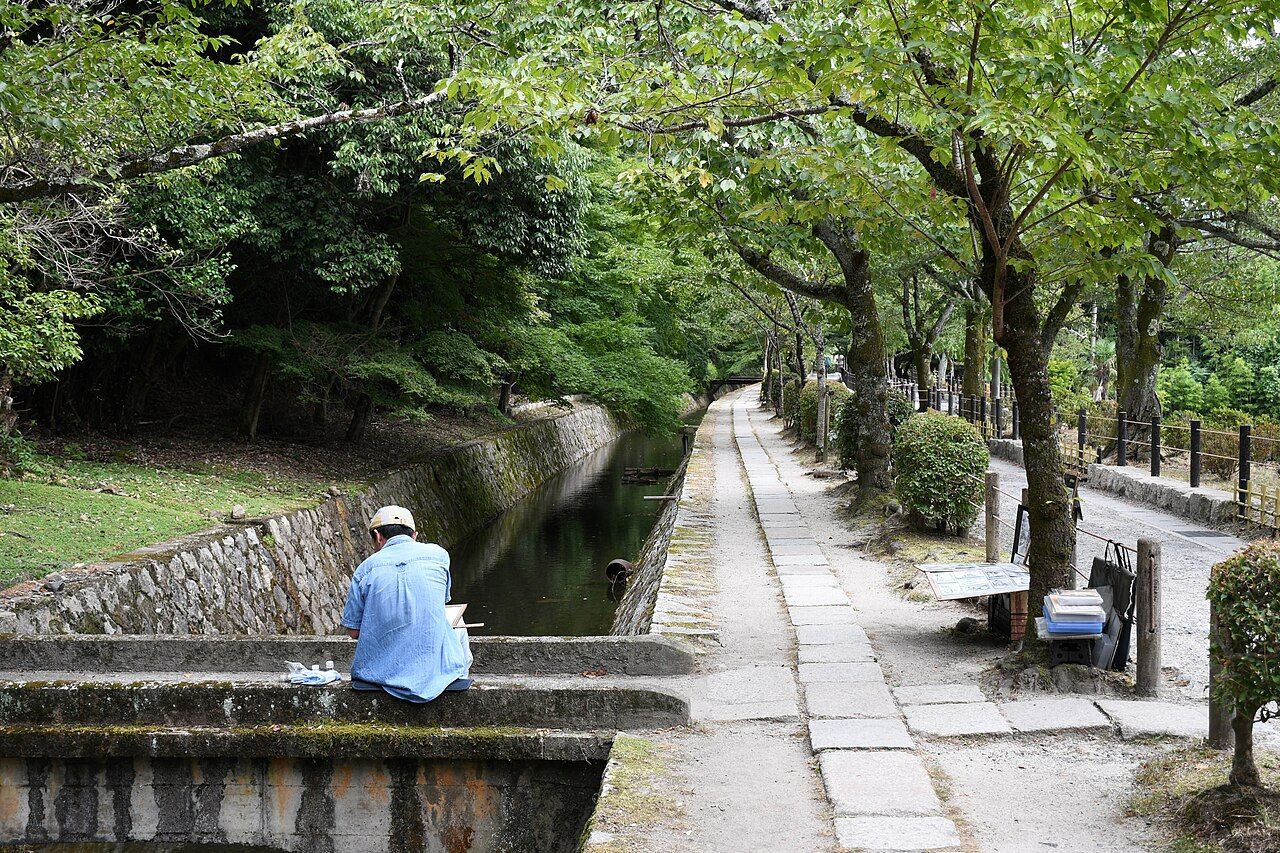
The Philosopher's Path📍 in Google Maps
A stone path along a cherry-lined canal, named after the philosopher Nishida Kitaro, who walked it daily.
free40 min, flat
South from the Ginkaku-ji bridge to Nyakuoji, 40 minutes and about 2,500 steps, flat. Small cafés and Honen-in, a quiet moss temple, sit just off it.
15:30
sightphoto ↑
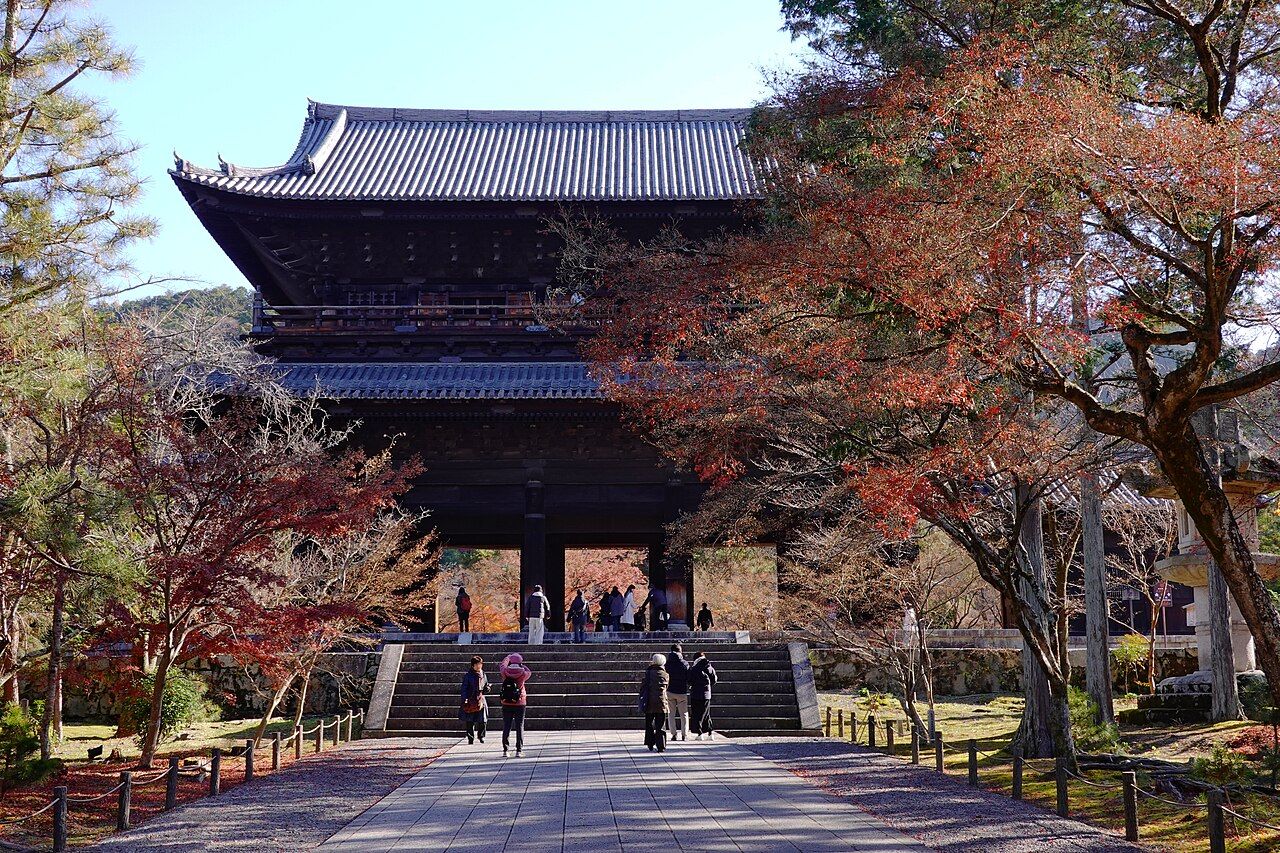
Nanzen-ji and the aqueduct📍 in Google Maps
One of Japan's most important Zen temples, with a 22-metre wooden gate and an 1890 brick aqueduct running through its grounds.
grounds free; gate ¥600
Ten minutes from the end of the path. Climb the Sanmon gate for the view west over the city, then walk under the aqueduct's arches. The Hojo's rock garden, the 'leaping tigers', is another ¥600.
16:45
19:00
food
Dinner on Kiyamachi📍 in Google Maps
¥3,000–5,000 each
The narrow canal street parallel to Pontocho, two minutes from the hotel. Izakaya pubs with counters and small plates; order a few at a time. Obanzai, Kyoto home cooking of vegetables and tofu, is the local thing to look for.
If you fall behind
- See the procession and skip lunch in Demachiyanagi: take bus 17 straight on to Ginkaku-ji.
- Lighter afternoon: walk only half the Philosopher's Path, from Honen-in to Nanzen-ji.
Day 3 · Sun
Arashiyama's bamboo grove, Tenryu-ji, Kinkaku-ji and Ryoan-ji
Kyotoout 07:15👟 ≈ 13,000 stepsOut at 7:15 for the bamboo grove before the tour buses. Tenryu-ji opens at 8:30; the Golden Pavilion and Ryoan-ji's stone garden after lunch.
🗺 The whole day in Google Maps →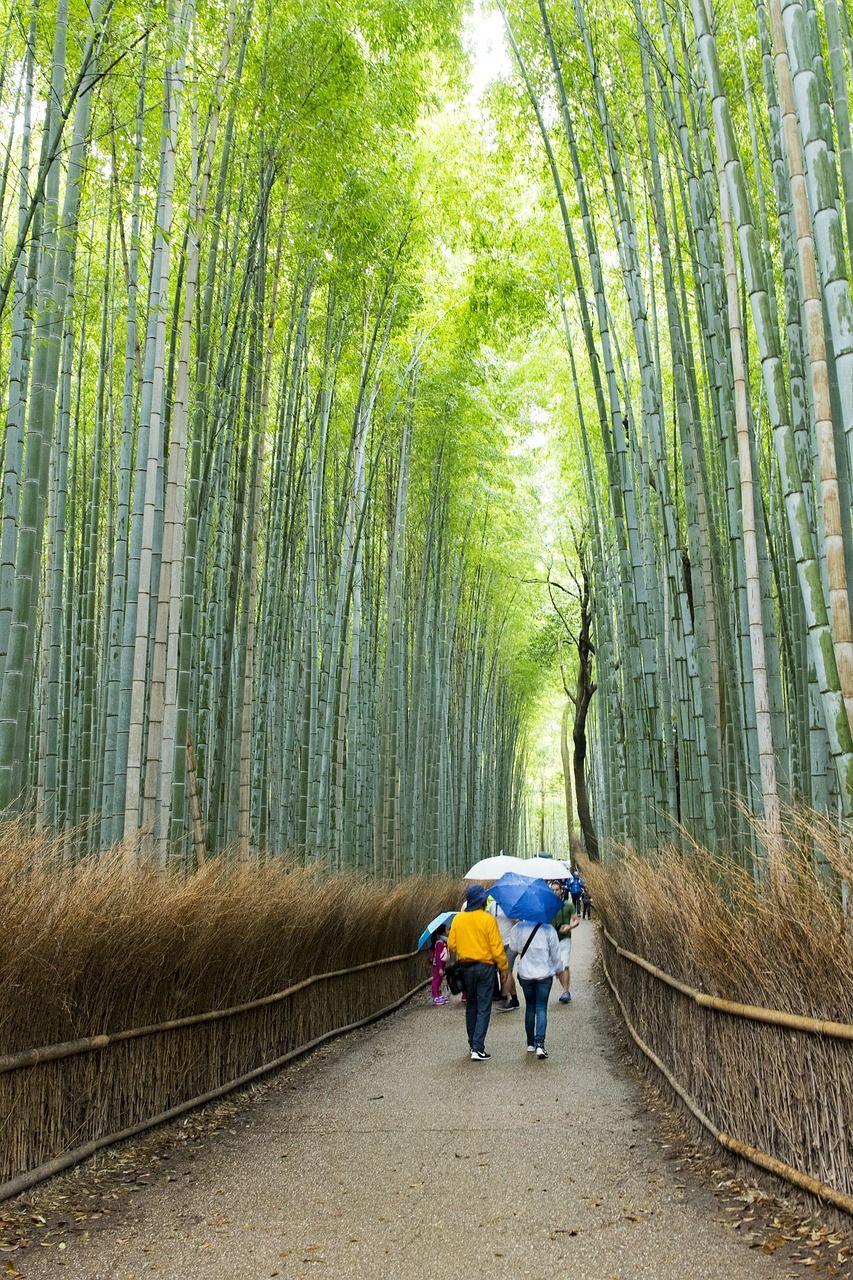
07:15
getting there
Hankyu train to Arashiyama📍 from 🏁 Hankyu Arashiyama
IC card30 min
From Kyoto-kawaramachi under the hotel, change at Katsura, 30 minutes. From Hankyu Arashiyama station cross the Togetsukyo bridge, 15 minutes to the grove.
08:00
walkphoto ↑
The Arashiyama bamboo grove📍 in Google Maps
A path through tall groves of bamboo on the city's western edge, the most photographed walk in Kyoto.
freeday's highlight
Five hundred metres of path between bamboo 20 metres high. Before 8:30 you share it with a few photographers; by ten it is one slow queue. Walk it to the top, where it meets the gate of Okochi Sanso, the old film star's villa and garden, open from 9:00 for ¥1,000 with matcha and a sweet included.
08:30
sightphoto ↑
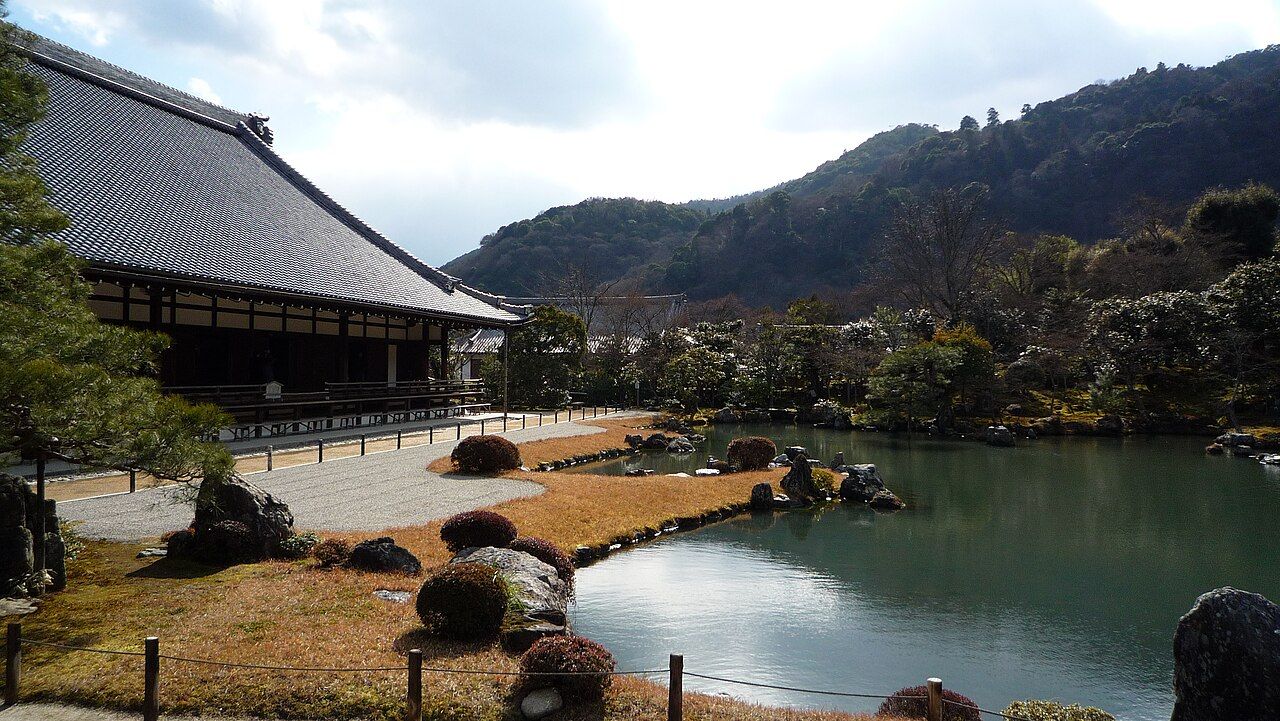
Tenryu-ji📍 in Google Maps
Arashiyama's head Zen temple, a World Heritage site, with a 14th-century pond garden set against the hills.
garden ¥500 each
The north gate opens onto the grove. The garden ticket is enough; the halls are an extra ¥300. Sit on the veranda facing the pond, where the garden was designed to be seen from. Allow 45 minutes.
09:30
food
Breakfast and coffee by the Togetsukyo bridge📍 in Google Maps
¥1,000–1,500 each
Cafés along the river by the bridge open from nine. Then walk the riverbank upstream, where the boats start, before the day's buses arrive.
12:00
food
Lunch near Kinkaku-ji📍 in Google Maps
¥1,500–2,500 each
Bus 11 then 59, or a taxi for about ¥3,000, 30 minutes. Soba and udon places line Kinkakuji-michi; tofu cooked at the table, yudofu, is the Kyoto dish, and a Zen temple speciality.
13:15
sightphoto ↑
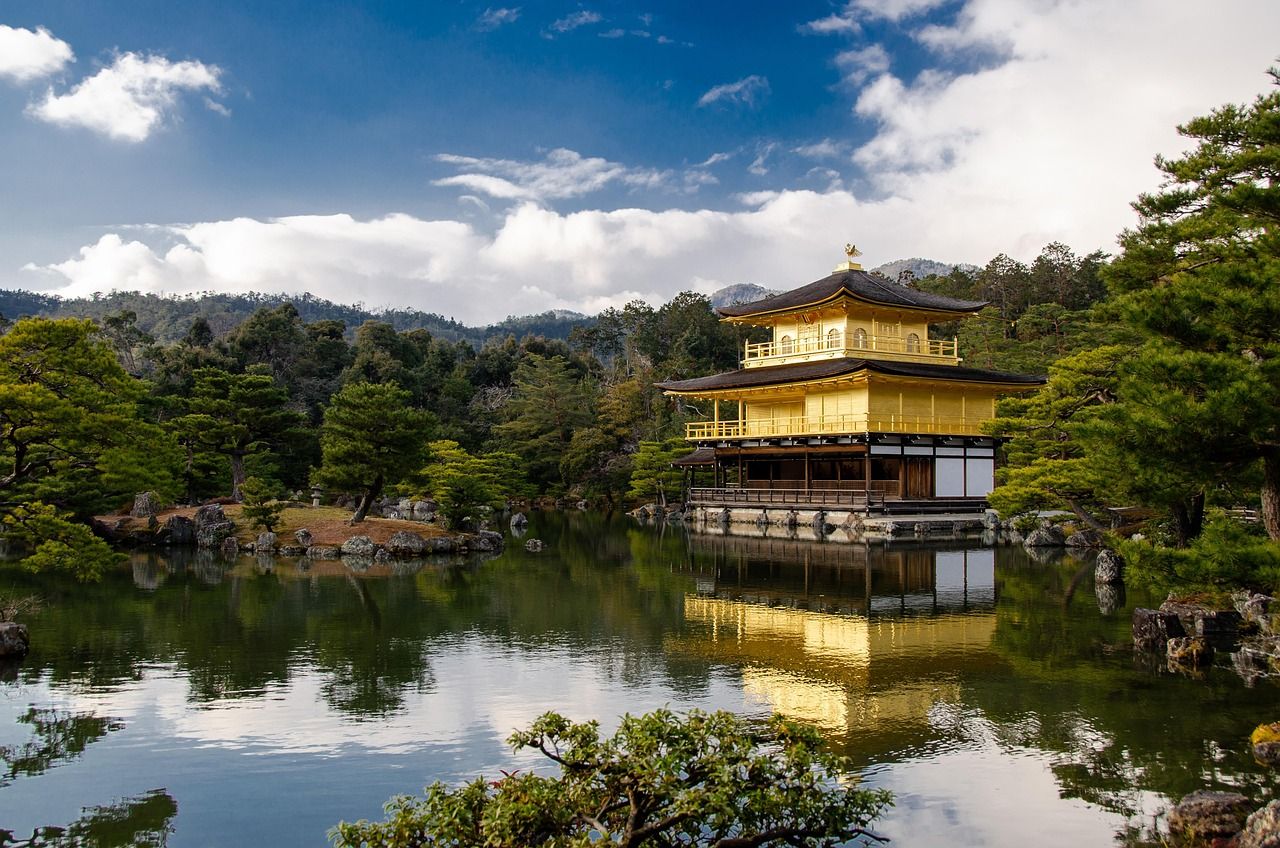
Kinkaku-ji, the Golden Pavilion📍 in Google Maps
A Zen temple's three-storey pavilion covered in gold leaf, reflected in its pond, rebuilt in 1955 after a monk burned it down.
¥500 eachcrowds
The path is one-way and the view across the pond is the first thing you see, so stop there, not at the gate. Allow 40 minutes; the paper ticket is a good-luck charm.
14:30
sightphoto ↑
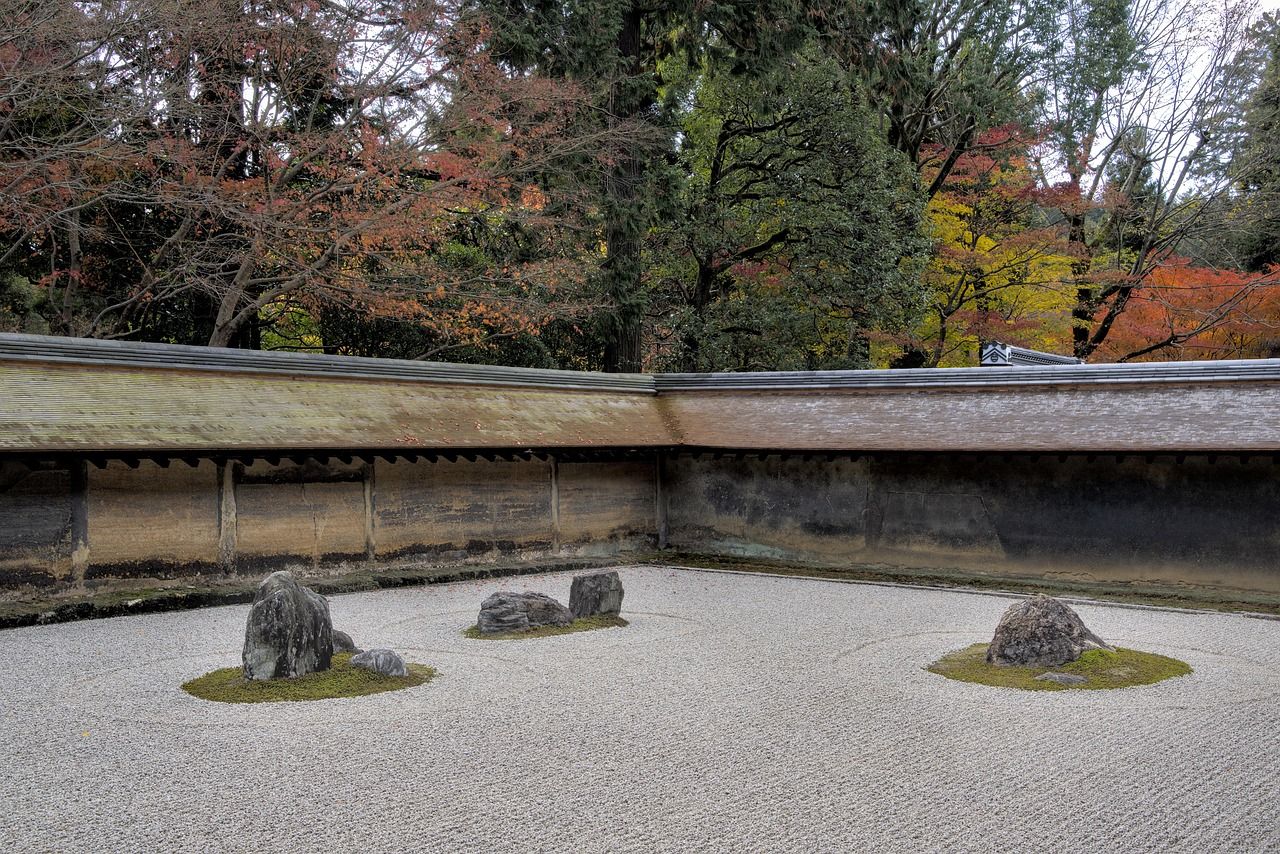
Ryoan-ji's stone garden📍 in Google Maps
The Zen temple with Japan's best-known dry garden: fifteen stones on white gravel, of which never more than fourteen can be seen at once.
¥600 each
Twenty minutes on foot along Kinukake-no-michi from Kinkaku-ji. Sit on the veranda and count the stones. Then walk the pond in the grounds and see the stone water basin behind the hall.
15:45
18:30
tour
Tea ceremony in Gion, then dinner📍 in Google Maps
A short tea ceremony for visitors, with the host explaining each step in English.
¥3,000–5,000 eachbook ahead
Several tea houses in Gion run 45-minute ceremonies for two to eight guests, booked online; check the last session of the day before planning dinner. Then eat round Shijo-dori, a short walk back to the hotel.
If you fall behind
- Skip Ryoan-ji and take the bus straight back from Kinkaku-ji.
- Lighter day: Arashiyama in the morning, the afternoon at the hotel and the tea ceremony.
Day 4 · Mon
Fushimi Inari, Tofuku-ji and Sanjusangen-do
Kyotoout 08:00👟 ≈ 13,000 stepsBags into lockers at Kyoto Station, then the thousand gates of Fushimi Inari. Tofuku-ji and Sanjusangen-do's statues before the 17:30 Shinkansen.
🗺 The whole day in Google Maps →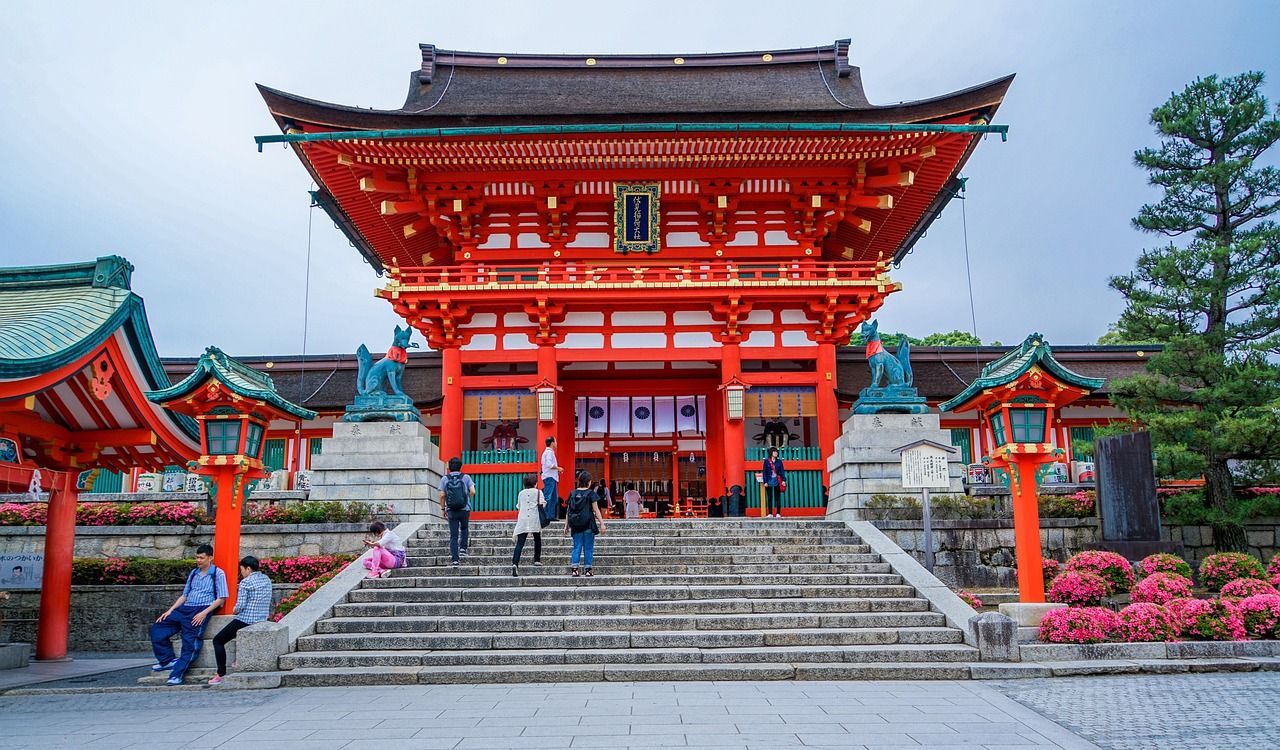
08:00
getting there
Check out and take a taxi to Kyoto Station📍 from 🏁 Kyoto Station
about ¥1,800
The hotel will also keep the bags, but the station is where the day ends, so take them there now.
08:20
stay
Bags into lockers at Kyoto Station📍 in Google Maps
¥700–1,000 a locker
Large lockers are near the Hachijo exit on the Shinkansen side and fill by mid-morning; the staffed baggage room in the station basement takes what does not fit. Most lockers take IC cards.
08:45
sightphoto ↑
Fushimi Inari Taisha📍 in Google Maps
The head shrine of Inari, god of rice and business, with about 10,000 vermilion torii gates over the paths up Mount Inari.
freeday's highlightsteps
JR Nara line two stops to Inari, five minutes; the shrine is across the road. The famous double row of gates, Senbon Torii, starts behind the main hall and is busy from nine.
Keep climbing: by the Yotsutsuji crossing, 45 minutes up and about 4,000 steps, the crowd has thinned and the city lies below. Most people turn back there; the loop over the summit adds an hour. Allow two and a half hours.
11:45
food
Lunch on the shrine's approach street📍 in Google Maps
¥1,200–2,000 each
The street from the station to the shrine has udon shops and stalls. Kitsune udon, with fried tofu said to be the fox god's favourite, and inari-zushi, rice in tofu pouches, are the dishes of this shrine.
13:00
sightphoto ↑
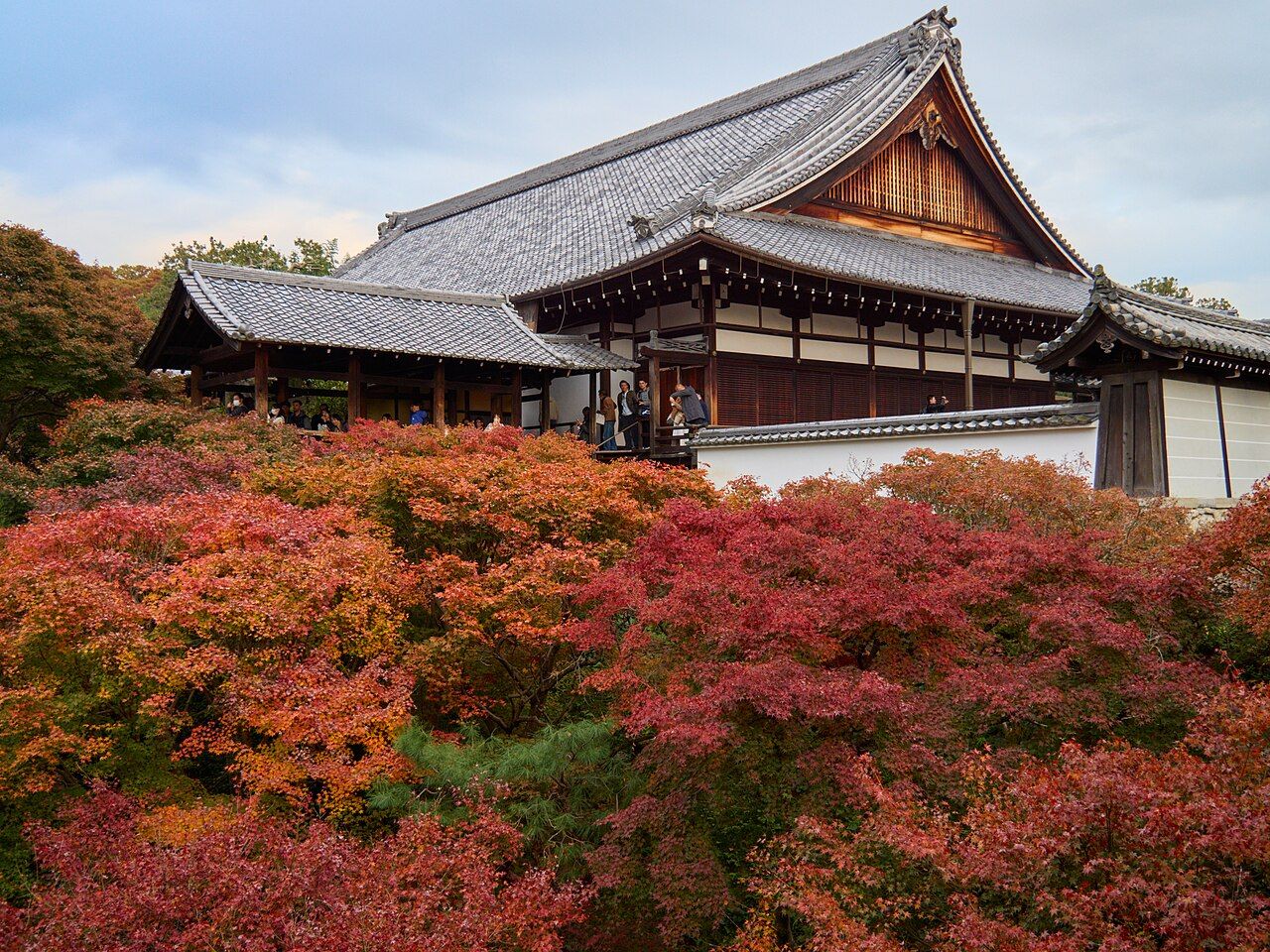
Tofuku-ji📍 in Google Maps
A great Zen temple whose wooden bridge, Tsutenkyo, crosses a valley of maples, and whose abbot's hall has 1939 chequerboard moss gardens.
¥600 each per area
One JR stop or 20 minutes' walk. The bridge and the Hojo gardens are separate tickets; in May both are green and quiet. The chequerboard of moss and stone is on the north side of the Hojo. Allow an hour.
14:45
sightphoto ↑
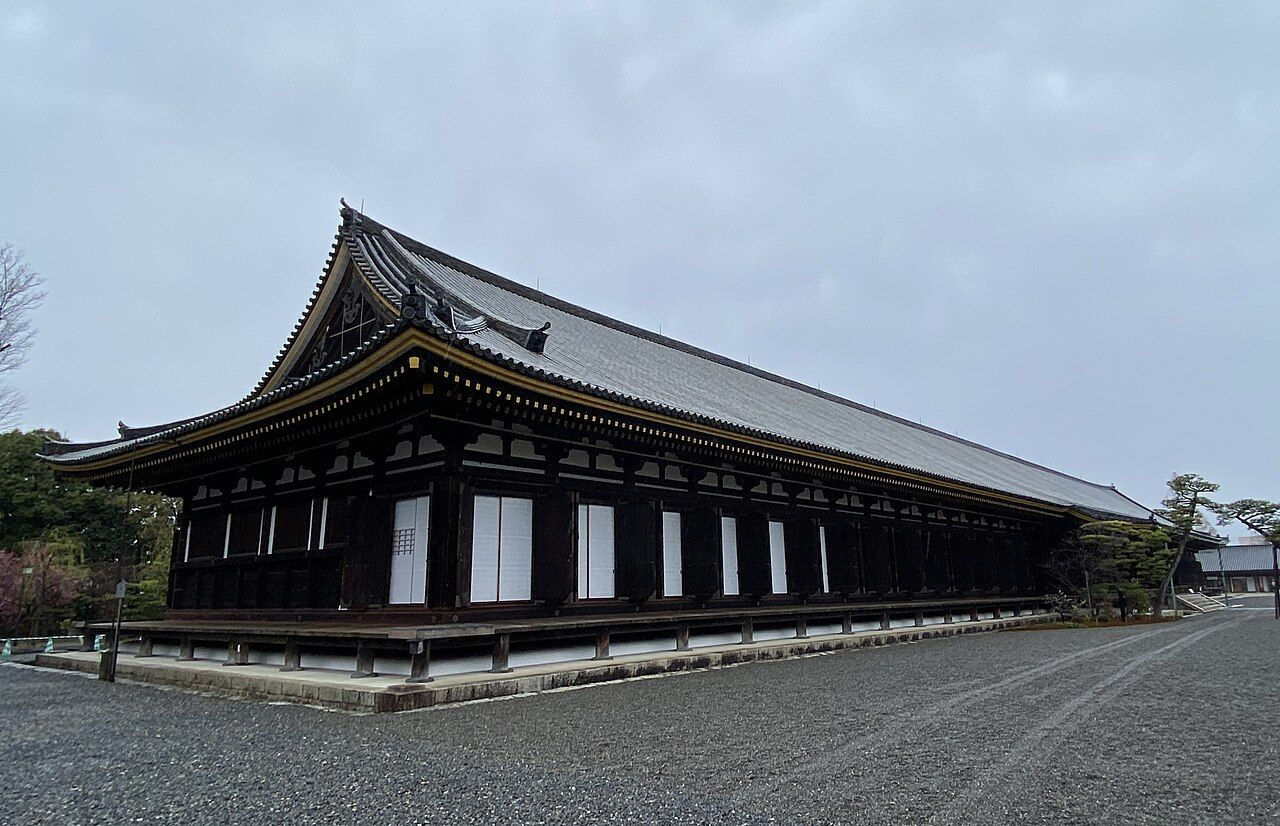
Sanjusangen-do📍 in Google Maps
A 120-metre wooden hall holding 1,001 life-size gilded statues of Kannon, the goddess of mercy, carved in the 12th and 13th centuries.
¥600 eachshoes off
Keihan line from Tofukuji to Shichijo, then five minutes. Shoes come off at the entrance; photos are not allowed inside. The 28 guardian figures in front of the rows are the finest carving. Allow 45 minutes.
16:00
food
Collect the bags and buy food for the train📍 in Google Maps
¥1,200–2,000 each
Fifteen minutes' walk or a short taxi back. The station's food halls sell ekiben, boxed meals for the train, Kyoto ones with pickles and sea bream rice.
17:00
getting there
Shinkansen to Tokyo📍 in Google Maps
17:30 departure
The Shinkansen gates are on the Hachijo side. Be on the platform 10 minutes before; the doors open and close fast.
If you fall behind
- Turn back at the first viewpoint on Mount Inari, 20 minutes up.
- Skip Tofuku-ji and go from Inari to Sanjusangen-do by taxi.